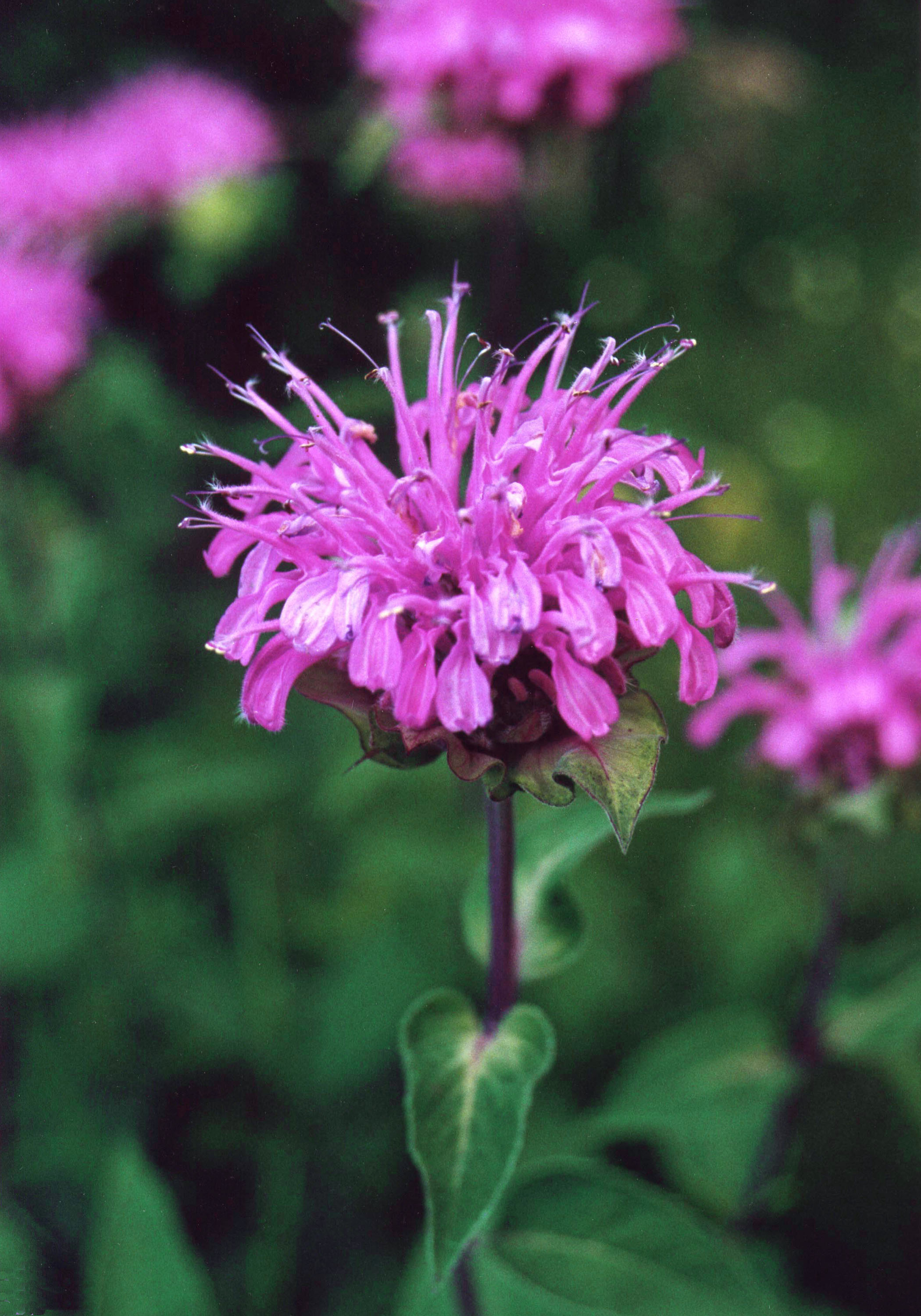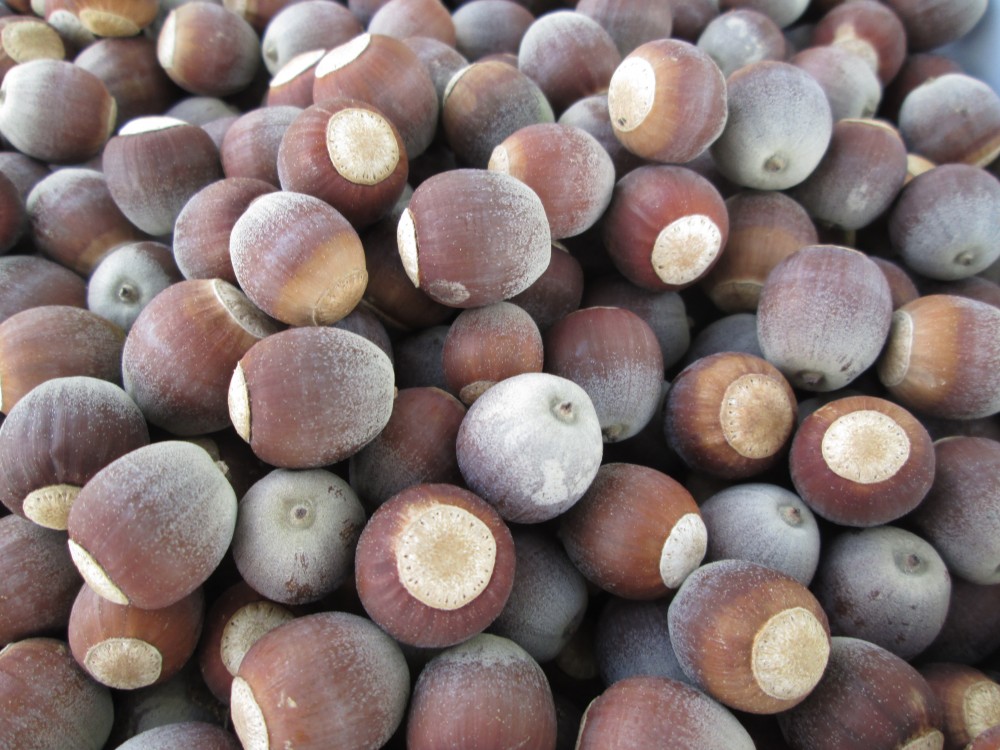


Burdock (Arctium spp.) is one of my favourite plants. It is both a satisfying edible and effective medicinal. Though it looks like rhubarb from a distance, burdock is hairy and has green stalks. It is a biennial plant, meaning that it flowers every second year. The flowering stalks bear clusters of beautiful bright pink flowers that seem to explode out of a green globe, which is covered in hook-tipped spines.
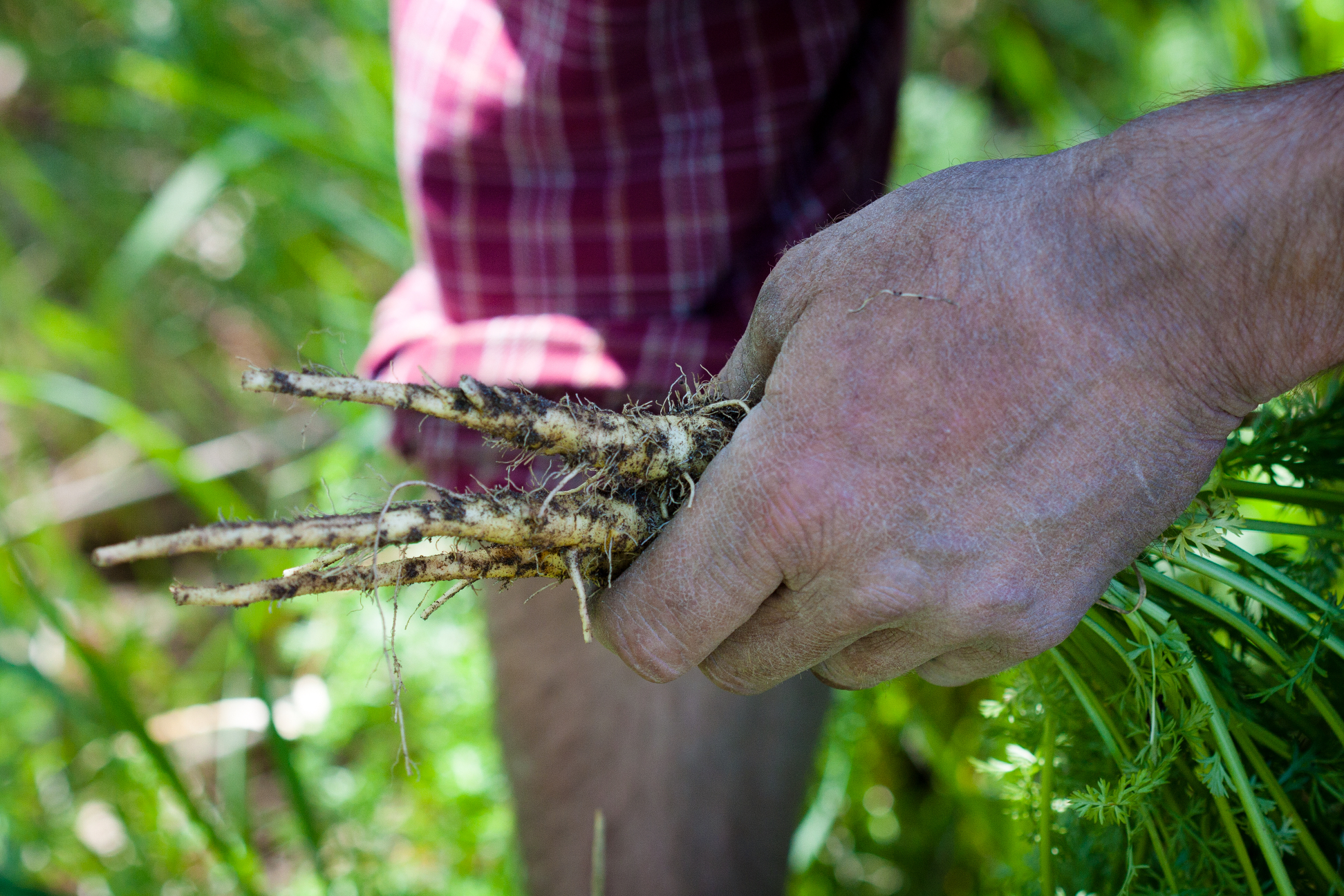
Though the stems and stalks are edible, my favourite part of this plant is the roots. Burdock roots are known for their “blood purifying” or cleansing properties, and help to eliminate toxins from the body. They are also very nourishing. These properties can be detected with just a few sips of the root “tea”, which tends to turn a beautiful bluish green when left to steep overnight. The cooked roots are also a great addition to stir fry, soups, or just on their own.
When gathering in the fall, harvest only the first year roots. Second year plants use the energy and nutrients stored in the roots for reproduction and tend to get tough or mushy. In the spring, any plants are fair game, as long as no seed stalks are apparent. The roots may be a foot or more long, depending on soil conditions, so use a long, narrow spade to avoid breaking them off half way down.
Large, thick patches of burdock are cool places to hang out – literally! Just duck down below the leaves and you’ll feel like you’re in another world!
To make a decoction from the roots of first-year plants place the chopped root in cold water, bringing to a boil and allow it to simmer on low for about 20 minutes. Use about ½ cup of dried roots to 1 quart of water. Drink a small amount (1-2 ounces) twice a day. First-year roots, cultivated and referred to as “gobo” in Asian countries, make a great dish when cooked in a sweet vinegar and soy broth. These make a great snack and I always make enough for the next few days or off-season, freezing what I can’t eat right away.
Burdock Root in Sweet Vinegar Broth
4 large burdock roots from first year plants
½ tsp vinegar (1st amount)
1 ½ tbsp soy sauce
½ cup broth (your choice)
2 tbsp sugar
2 tbsp vinegar (2nd amount)
Scrape skin off burdock roots and cut roots into thin diagonal slices or julienne. To prevent flesh from discolouring during preparation, place slices immediately into cold water, soak for 5 minutes and drain. Cover with water, add vinegar (1st amount), bring to a boil. Reduce heat and simmer for 8-10 minutes and drain. In a saucepan combine all remaining ingredients, add the burdock and cook over moderate heat for 10-15 minutes. Serves 4-6.
I dry and save the scraped off peel to make tea, as the peel contains most of the medicinal qualities. It doesn’t take much root peel to make a decent tea. If it’s too strong for your taste, simply dilute it with more water.
Enjoy!